The Ten Books That Became Portals and How Story, Place, and Myth Shape My Photography
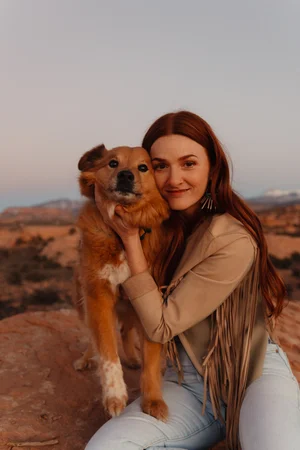
During a few recent brand shoots, I did something a little unexpected: I brought books.
Why? Because they’re a part of me. What I took away from reading them helped make the maps that led me here. And besides, as a former literature and writing teacher, how could I not? Being a bookworm comes with the territory.
I set them up on a log, a makeshift bookshelf in the middle of the desert. These books have shaped how I see the world, how I see myself, and how I see you.
Each one ties into a place that means something to me, and to the parts of myself I hold most dear. And I want to share them with you!
So here they are – the books that built the mythology behind my work, and the places they live in my memory.
The Ten Books That Shaped Me:
Be Here Now
The End of Absence
The Deserts of California
A Guide to Middle Earth
Cosmos
Braiding Sweetgrass
Trace
Ceremony
All About Love
The Art of Gathering
Be Here Now
Place: Moab, Utah
Theme: Presence, stillness, spirit in dirt.
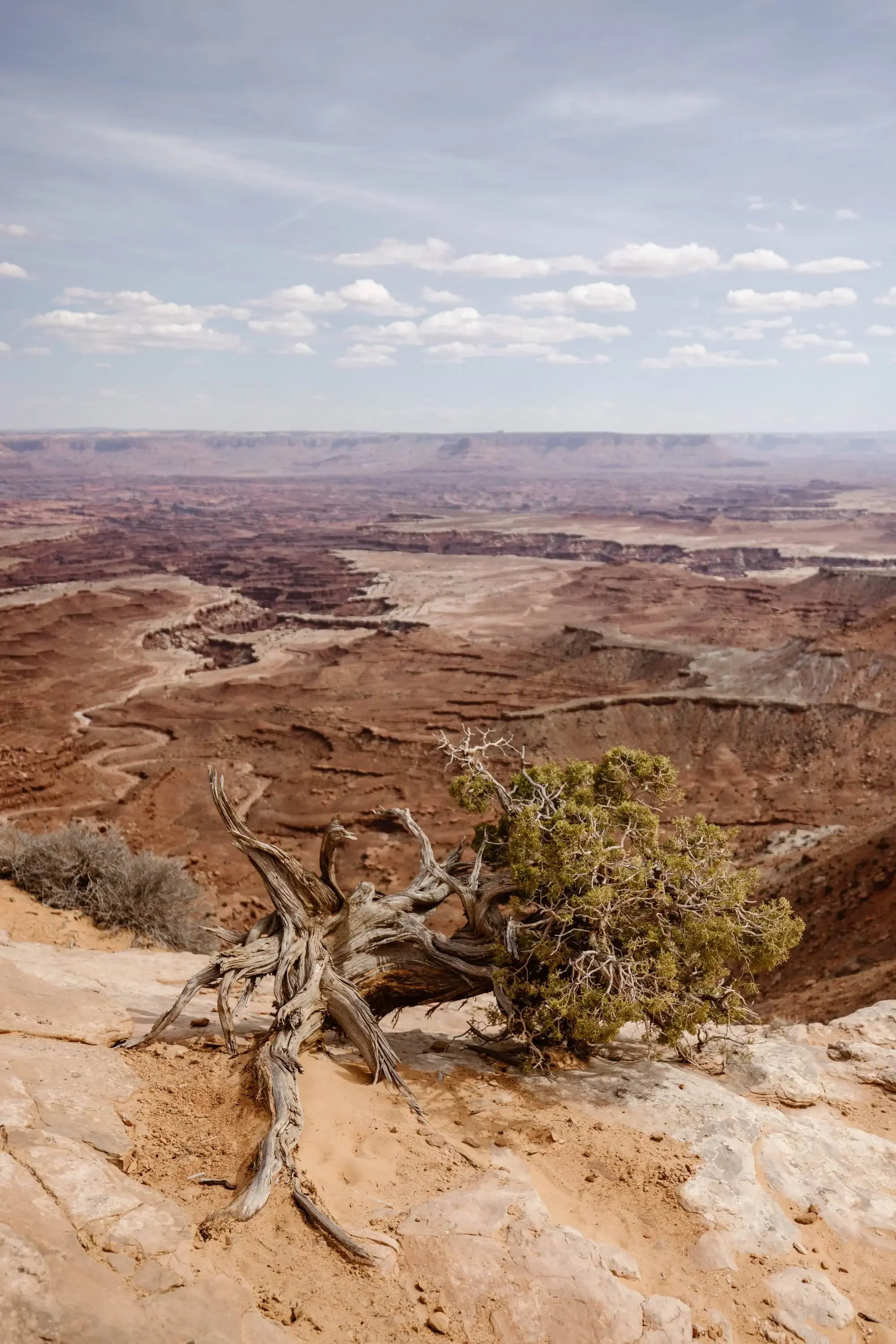
There’s no place where I feel more present and connected to the earth — like, actual, profound here-ness — than the desert.
Nowhere is more beautiful, and nowehere do I experience the stripped-down, breath-slowing, everything-else-falls-away kind of presence.
Be Here Now is a book that taught me to stop reaching outside of the present time, and to soften into the moment. Moab is where I go to live that. But of course… the book asks me to find that wherever I am.
Want to feel it for yourself? Come with me. I’ll show you how the light hits the canyons as the sun sets, and you’ll know exactly what I mean.
The End of Absence
Place: The Redwoods
Theme: Silence, being disconnected, witnessing
We don’t get a lot of true absence anymore. Do you ever think about that? I remember pre-cell phone and pre-social media days, days where I went places without a phone without a second thought. So many people today never got to live that life. What are we missing out on when we never disconnect?
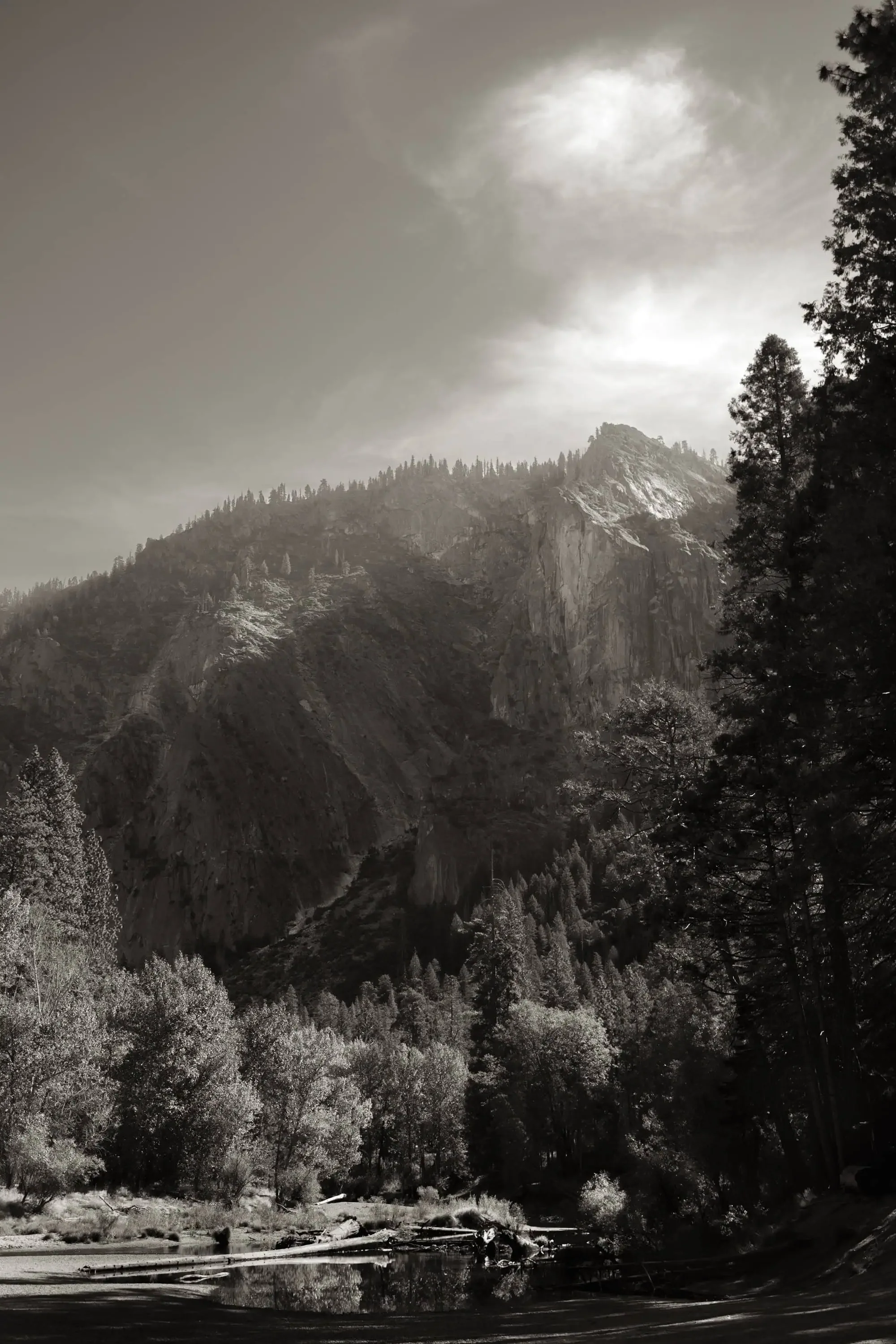
The fact is you can create this anywhere, simply by shutting down the devices. But there are places and moments that feel still in a more profound way, and the Redwoods are like that for me. The trees… these towering beings that have seen thousands of years of presence and absence. They’ve outlived trends, tech, noise, people, and everything that feels loud. I’d rather hear the wind in the trees or waves crashing on the beach than the sound of any notification... that’s something we can all probably agree on, even if we don’t always reach for that in practice.
The End of Absence explores what we lose when we never unplug. The trees remind me that stillness has always been available to us if we choose to reach for it.
Let me take you somewhere where your nervous system turns towards spaciousness and peace like a leaf turns toward the sun. Where we pause in a moment so quiet, it feels holy. These are the places that help us remember that absence is a gift.

The Deserts of California
Place: The Mojave, the Eastern Sierra, Highway 395
Theme: Origin, observation, land as story
The Sierras are a part of my origin story.
California is where I fell in love with landscape: visually, factually. The facts of this place arrested me since childhood: the fault lines, the plant names, the desiccated lakebeds and sky islands and road pullouts. The smell of creosote. The sound of wind scraping across granite.
The Deserts of California is a field guide that links art, history, and reverence; it honors the facts of the land. I love field guides in general, but this one in particular makes the facts feel like magic.
Making beautiful images is the art of attention. I want to help people connect to place with reverence for what was here long before us and will be here long after… To move slowly, and to learn and connect to what’s here.
And to leave no trace of ourselves, except the memories we take with care.
My history with California begins in the Mojave, the strange moonscapes of Highway 395, into the granite cathedrals of Yosemite.
These are my roots.
A Guide to Middle Earth
Place: New Zealand (and any landscape that feels like myth)
Theme: Journey, story, sacred landscapes, the call.
My dad started reading The Lord of the Rings to me when I was in the first grade. It was never just a story to me, it was a map for my sense of adventure and a myth I could step into.
Tolkien gave us an entire world. And for me, Middle Earth is where I first learned that story could be sacred, and that a journey could reshape you.
Middle Earth isn’t just some faraway fantasy. At least, not to me, not entirely. It’s a feeling. A world we can still access if we’re paying attention. I see it in alpine lakes tucked beyond tree lines, in the mist that moves through desert canyons, in the hush before a storm. It’s in the long walks. The liminal spaces. The moments that feel like an entryway into something larger than life.
I brought A Guide to Middle Earth to this shoot because I needed to honor how much that world shaped mine. Tolkien’s writing taught me that the land has a soul, and, that who you are when you leave might not be who you were when you arrived.
If you’ve ever felt that too – if these stories have made you ache with recognition – then I think you already understand the kind of work I do.
And if you want to bring that energy into your elopement… I’m ready. Dreaming of such worlds is my origin story.
Cloaks, ridgelines, firelight. Misty mountains. A map that leads us to adventure.
Let’s go find it.
Cosmos
Place: The sky above every stunning landscape
Theme: Wonder, scale, inner and outer space
This was my dad’s copy. I grew up flipping through these pages, feeling a sense of wonder, scope, and an invitation.
Carl Sagan wrote about stars, yes, but more importantly, he wrote about our place in the universe. Not as something separate from it, but woven into it. The fact that we are it. Cosmos reminds me that outer space is as much what’s above our heads as it is what’s inside them.
The landscapes of the mind, the portals we pass through, the idea that there are vast, wild galaxies both out there and in here… That’s the thread that runs through everything I do.
Whether we’re standing under open sky or tucked in a canyon, I want you to feel it, as we’re moving through a place, that' we’re also crossing into something sacred, something that doesn’t necessarily have a place in space or time, because it’s a place you can return to, again and again, whenever life gets loud.
Braiding Sweetgrass
Place: Forests, gardens, open hands
Theme: Reciprocity, attention, devotion to and communion with the living world.
This one’s a prayer.
Braiding Sweetgrass is a book that holds Indigenous wisdom, scientific knowledge, and radical tenderness all in one. Robin Wall Kimmerer teaches that the land loves us back, and that to be in relationship with place, we must offer something in return. This book changed the way I walk through the world.
It taught me that presence is a gift we give back, and noticing is an act of devotion.
Trace
Place: Ruins, deserts, highways, layered ground
Theme: Inheritance, witness, land as memory.
Lauret Savoy reminds us that the ground beneath us carries history – some of it visible, most of it erased.
Trace is about race, silence, and the geography of memory. It deepened my reverence for the land as archive, wound, and witness. Beauty, yes, but something much more profound.
This is why I move slowly. Why I care so deeply about where we are, and how we arrive.
Ceremony
Place: New Mexico. The desert as healer.
Theme: Ritual, return, healing through land
Ceremony is a story of survival and sacredness. It’s about how trauma can fracture us and how land, story, and ritual can begin to knit us back together. This book made me think about how ceremonies don’t have to look like anything traditional. They can be stitched together from place, attention, intention, and presence, deeply personal.
People can plan them like they’re just a fun day, or they can plan them like they’re ceremonies of return or arrival at something deeper, to whatever way of living feels most alive.
All About Love
Place: The body. The home. The quiet moments between people.
Theme: Embodied love, integrity, real care.
All About Love explores love as a practice rooted in action. It focuses on honesty, clarity, boundaries, and care. This perspective changed how I understood connection and reshaped my definition of intimacy.
I learned that love only becomes real when it is lived. Embodied tenderness towards the self is the only way to know how to truly give it to someone else.
This belief guides the way I work. I approach every session with attention and care. I bring presence into planning. I listen with intention. I hold space gently. I photograph with honesty.
When I document elopements, I focus on the moments that carry meaning. These are not just about ceremony or vows, but about the slower, quieter choices that reflect real commitment. I believe love reveals itself in the way we move through the experience, in the tone of the day, and in the care we extend to each other along the way.
The Art of Gathering
Place: Anywhere people choose to come together with care
Theme: Intention, design, experience as meaning.
The Art of Gathering by Priya Parker explores the idea of hosting with care and clarity. It focuses on designing experiences that reflect values rather than default expectations. It encourages clear intention and the willingness to choose meaning over convention, even when that path feels unfamiliar.
It affirmed something I already believed deep down: that planning is sacred. That it matters how we gather – not just that we do.
When I work with couples to shape their elopement, I bring this philosophy with me. The planning process is an act of creation that reflects your values and vision.
Many people arrive at marriage without a blueprint to follow. That means we get to build it ourselves. This design process becomes a mirror for what matters most. It invites presence. It invites clarity.
This is how an elopement becomes an intentional beginning for the story of the rest of your life.